
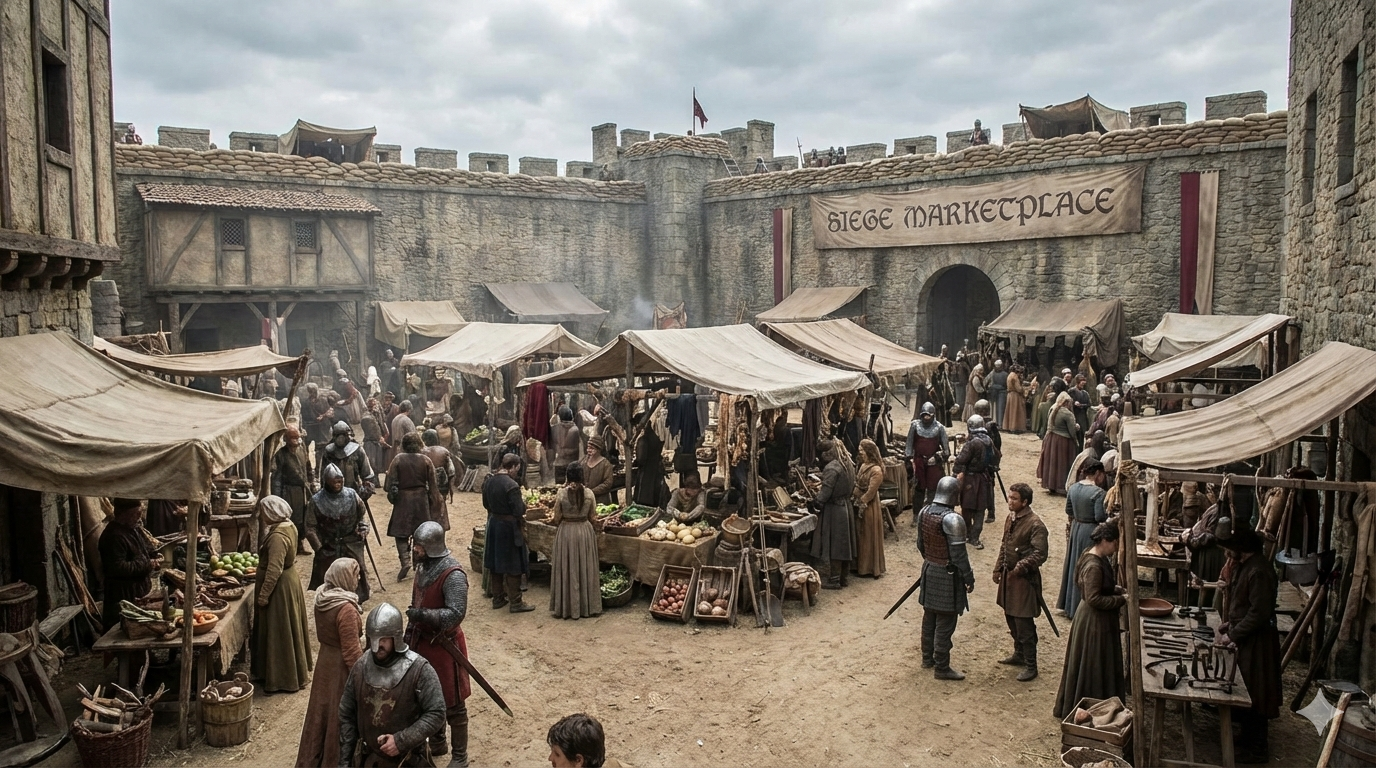
Rainbow Six Siege Marketplace Complete Trading Guide
The world of Rainbow Six Siege has grown beyond just intense tactical gameplay. For many players, part of the fun comes from collecting, trading, and upgrading items like weapon skins, charms, and elite sets. This is where the siege marketplace comes into play. If you’ve ever wondered how to make the most of it or simply understand how it works, you’ve come to the right place. I’ve spent countless hours navigating the marketplace myself, so I’ll share everything in a straightforward, human way.
What is the Siege Marketplace?
At its core, the siege marketplace is a digital hub where players can buy, sell, or trade in-game items for Rainbow Six Siege credits. Think of it as a player-driven economy. Instead of being limited to Ubisoft’s official store or seasonal bundles, the marketplace lets you interact directly with other players.
In my experience, the marketplace can be a bit tricky at first. Prices fluctuate based on rarity, demand, and even timing. For example, a popular Black Ice skin might sell for far more than a simple charm, even if both were released around the same time. Understanding these patterns is key if you want to make smart trades.
How the Siege Marketplace Works
The setup is simple, but the details matter. You log in with your Ubisoft account, browse items, and either list your own for sale or place a purchase order. There’s usually a small fee involved when selling, which is fair considering it keeps the system running smoothly.
One thing I’ve noticed is that patience pays off. Sometimes items sit on the market for weeks before selling. Other times, a rare skin might disappear within hours because someone is actively tracking listings. It’s a mix of strategy and timing, much like playing a Siege match itself.
Buying Items
Buying on the siege marketplace is straightforward, but there are some nuances. First, always check the item’s history. I once bought a seemingly rare headgear, only to find out it was widely available elsewhere for cheaper. Checking player feedback and recent sales can save you from overpaying.
Also, set a budget. It’s easy to get carried away when hunting for that elusive skin. I personally mark a maximum credit limit and stick to it, which prevents regret later.
Selling Items
Selling can be rewarding, but you need strategy. Pricing is everything. If you list too high, your item might linger indefinitely. Too low, and you’re leaving credits on the table. I usually start slightly above the market average and adjust based on demand.
Another tip: timing. New seasons or events often spike interest in older cosmetics. I’ve sold items that seemed worthless until a new season dropped, doubling their value overnight.
Trading and Bartering
Some players prefer direct trades instead of selling for credits. This is where the siege marketplace gets interesting. Trades can be complicated since value is subjective. I once swapped a rare elite skin for a combination of charms and credits. At first, it felt uneven, but after tracking sales, I realized it was actually a smart move.
Always communicate clearly. Misunderstandings can happen quickly, especially when dealing with rare items. A screenshot of the items involved and agreed-upon terms can prevent headaches.
Tips for Navigating the Marketplace
- Research First: Know which items are in demand. A little Google search or browsing community forums can reveal trends.
- Check Daily: Prices can fluctuate quickly. I check the marketplace every morning, even for items I’m not actively selling.
- Avoid Impulsive Decisions: It’s easy to jump at an item because it looks rare. Step back, compare prices, and decide.
- Keep Track of Credits: Your balance isn’t unlimited. Keeping a small spreadsheet of purchases and sales helps me manage my funds.
- Watch Community Updates: Ubisoft sometimes changes rules around sales, listing limits, or credits. Staying updated avoids surprises.
Common Marketplace Pitfalls
Even seasoned players can fall into traps. Overpricing, underestimating demand, or falling for scams are common mistakes. Once, I listed a popular weapon skin but didn’t notice a marketplace glitch that temporarily blocked sales. It taught me to always double-check listings after submission.
Another issue is emotional buying. Chasing a skin because it looks “cool” often leads to overspending. The marketplace rewards patience and research more than impulsive actions.
Real-Life Example: My Experience
A few months ago, I wanted the Year 10 Black Ice skin. It was scarce on the siege marketplace. I tracked listings, set alerts for price drops, and waited two weeks. When it finally appeared at a reasonable price, I snagged it instantly. The sense of achievement was almost like winning a close Siege match.
On the selling side, I once sold a duplicate elite skin. I listed it at the market average, checked back in a few hours, and it had sold. It wasn’t a fortune, but it was satisfying to see the system work as intended.
Community and Support
The community plays a big role in the siege marketplace. Forums, Reddit threads, and Discord servers are great places to share tips, ask questions, and even discover hidden opportunities. I’ve made trades with players who initially seemed like strangers, but after a bit of back-and-forth, it was smooth and reliable.
Ubisoft support is generally helpful, especially if you encounter issues like lost items, account problems, or marketplace glitches. I’ve had to reach out twice, and both times responses were prompt and clear.
Is the Siege Marketplace Worth Your Time?
Absolutely, if you’re patient and strategic. It’s not just about collecting items—it’s about understanding value, timing, and community trends. If you approach it like a mini-game within Rainbow Six Siege, it can be fun and rewarding.
However, it’s not for everyone. If you prefer straightforward gameplay without keeping tabs on market trends, that’s fine. The marketplace works best for players who enjoy both gaming and a bit of digital trading.
Frequently Asked Questions
1. Can I trade items without using credits?
Yes, direct trades are possible, but they require clear communication to ensure both parties feel the trade is fair.
2. Are marketplace prices stable?
No, prices fluctuate based on demand, rarity, and seasonal events. Monitoring trends helps you make better buying or selling decisions.
3. Is it safe to use the marketplace?
Generally, yes. Stick to official Ubisoft listings or trusted community platforms, and avoid sharing personal information outside official channels.
4. Can I sell items immediately after purchase?
Some items may have restrictions or cooldown periods. Always check the listing rules to avoid errors.
5. How do I know if an item is rare?
Community forums, past sales data, and rarity indicators on the platform itself usually give a clear picture. Experience also helps you spot trends over time.
Conclusion
The siege marketplace adds a fascinating layer to Rainbow Six Siege. It’s part strategy, part patience, and part community engagement. Whether you’re buying that rare skin you’ve been chasing or selling duplicates to earn credits, understanding the marketplace makes the experience much smoother. From my own adventures navigating listings, trades, and sales, one thing is clear: treat it like a mini-game in itself, and you’ll enjoy both the process and the rewards.