
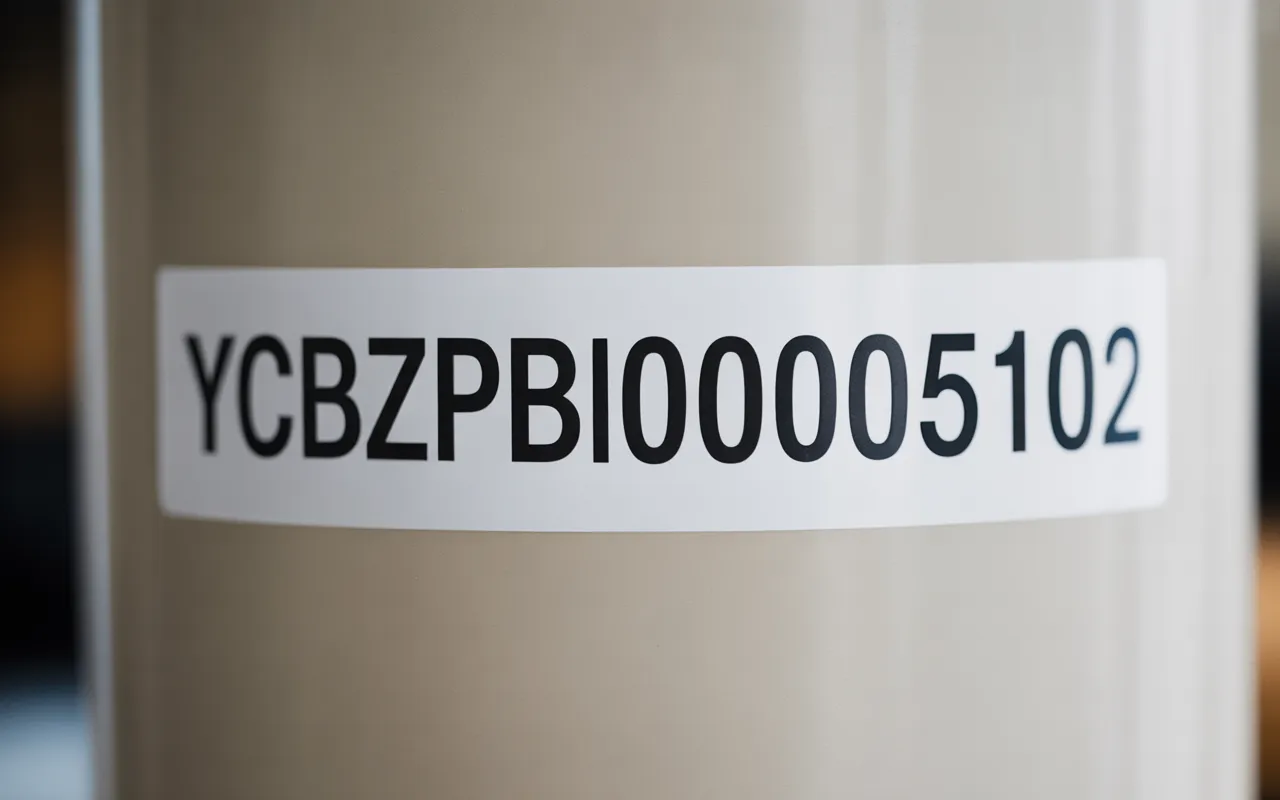
YCBZPB00005102: Understanding the Code, Its Purpose, and Why It Matters in Today’s Digital Systems
What Is YCBZPB00005102? A Deep Dive Into the Mysterious Identifier
When you first encounter the term ycbzpb00005102, it doesn’t immediately reveal its meaning. It looks like a standard alphanumeric code—something you’d expect to see in a tracking system, digital database, or backend configuration. While the code itself may seem random, identifiers like these usually carry a deeper purpose within technical infrastructures. They often act as unique labels that keep systems organized, searchable, and efficient.
If you think about how many transactions, files, products, and digital entries exist today, it becomes clear why unique identifiers like ycbzpb00005102 exist. Without them, systems would collapse under the weight of confusion and duplication. Every major industry—including e-commerce, logistics, finance, and manufacturing—relies on codes like these to maintain smooth operations and precise data handling.
While ycbzpb00005102 may not be widely known, it reflects a broader ecosystem of digital organization. Whether it is associated with a product batch, an internal reference number, a software registry entry, or a metadata tag, its existence highlights how modern technology quietly handles billions of data points behind the scenes. Understanding this helps us appreciate the invisible architecture that keeps our digital world running.
Why Codes Like YCBZPB00005102 Exist in Modern Systems
The emergence of identifiers such as ycbzpb00005102 is not by accident but rather a response to the growing complexity of digital and operational systems. When companies scale, data volumes skyrocket, and tracking each entry accurately becomes nearly impossible without a standardized naming approach. These codes ensure that everything remains distinguishable, manageable, and traceable.
In addition, systems require precision. Imagine a warehouse with millions of products, or a server storing countless files. Human-readable names work to some extent, but they are often too lengthy or too similar. Codes like ycbzpb00005102 solve this problem by providing a unique fingerprint for every item, making system-level management effortless. Machines process these codes faster, and databases use them to maintain accurate cross-references and logs.
Another important reason is error prevention. Unique alphanumeric identifiers drastically reduce the risk of duplication or misinterpretation. A system is far less likely to confuse ycbzpb00005102 with another entry compared to something generic like “Batch 51.” This level of accuracy protects data integrity, minimizes operational mistakes, and supports regulatory or auditing requirements across industries.
Where You May Encounter Codes Like YCBZPB00005102
Although ycbzpb00005102 looks abstract, codes like it show up in more places than you might think. For example, in e-commerce and logistics, similar identifiers are used in SKU numbers, tracking codes, shipment labels, and warehouse bin references. They keep physical products digitally connected so companies can track their movement from manufacturers to customers.
In the world of finance and cybersecurity, identifiers help tag transactions, encrypt data, and authenticate users. Behind every login session, digital certificate, or bank transfer is a string that looks just as random as ycbzpb00005102. These identifiers silently protect your data, ensure accuracy, and maintain transparency in sensitive operations.
Tech infrastructure also depends heavily on identifiers. Software systems use them to reference updates, version codes, error logs, and backend server scripting. Without these codes, developers would struggle to maintain coherence across massive codebases. So while ycbzpb00005102 may represent a specific internal reference ID, its presence reflects a universal concept applied across digital ecosystems.
How Identifiers Like YCBZPB00005102 Improve Efficiency

Efficiency is one of the YCBZPB00005102 biggest advantages of using structured identifiers. Consider a database with millions of entries. By assigning each one a unique code, like ycbzpb00005102, systems can search, sort, and retrieve information with incredible speed. Instead of scanning large text descriptions or names, artificial intelligence, databases, and automation tools can instantly locate anything using precise, short-form identifiers.
Beyond digital operations, these codes streamline human workflows as well. Employees in warehouses, labs, IT departments, or customer service rely on identifiers to quickly find what they need. A simple code search is often faster than browsing through long lists or descriptions. This approach boosts productivity and reduces manual work across every department.
Furthermore, unique identifiers help support automation. Machines need structured data to execute tasks correctly. With codes like ycbzpb00005102, automated systems can efficiently route items, process requests, synchronize data, or trigger actions. This automation reduces error rates, cuts labor costs, and accelerates overall workflow performance.
What YCBZPB00005102 Reveals About Data Organization
The format of ycbzpb00005102 itself—letters followed by numbers—hints at a standardized system. Many organizations use alphanumeric patterns to differentiate between categories. For example, letters may denote a region, department, or product type, while numbers track sequence or batch. Although we may not know this code’s exact origin, its structure suggests it belongs to a classification method designed to scale reliably.
Codes like these usually aren’t created randomly. They follow internal rules that ensure long-term usability. Even if the meaning is hidden from the public, system architects and engineers understand the logic behind it. This hidden structure helps maintain consistency, making it easier for teams to interpret, sort, or analyze vast sets of codes.
In many ways, identifiers such as ycbzpb00005102 are the foundation of modern data organization. They keep digital ecosystems clean, predictable, and uniform—three qualities essential for productivity, safety, and system longevity. Without this type of structured organization, data chaos would quickly undermine even the most advanced technology.
Common Misunderstandings About Technical Codes Like YCBZPB00005102
A common misconception is that all codes like ycbzpb00005102 contain sensitive or highly technical meaning. In reality, most identifiers are intentionally meaningless to outsiders. This protects security and prevents unauthorized interpretation. The code exists for the system’s internal logic, not for general understanding, and that is exactly how modern data architecture works.
Another misunderstanding is that these identifiers can be used interchangeably. They cannot. Each entry is designed to be unique, and even a small change—like one letter or number—represents a completely different item or record. This precision is the reason systems rely so heavily on these codes rather than descriptive names or human-readable labels.
People also assume that such codes are only relevant to tech professionals. However, the truth is that everyone interacts with identifiers daily—whether through order numbers, device serials, or transaction IDs. Like ycbzpb00005102, these codes keep everyday life functioning smoothly, often without us noticing.
Why YCBZPB00005102 Matters, Even If You Don’t Recognize It
Even if the average person never directly uses ycbzpb00005102, its existence represents the backbone of digital reliability. We depend on accurate data, efficient systems, and seamless automation more than ever. Unique identifiers make all that possible, ensuring that digital complexity remains manageable from the backend to the user experience.
The code also exemplifies how modern businesses standardize operations. Whether it refers to a product, a file, or a technical reference, identifiers like this highlight the professionalism and structural discipline that support large-scale operations. Without such systems, companies wouldn’t be able to scale globally or maintain consistent customer satisfaction.
Finally, codes like ycbzpb00005102 symbolize the way technology organizes information in a world that produces billions of data points every day. They are the silent guardians of order, accuracy, and efficiency. Even if they look random, they play a crucial role in shaping the digital environments we rely on.