
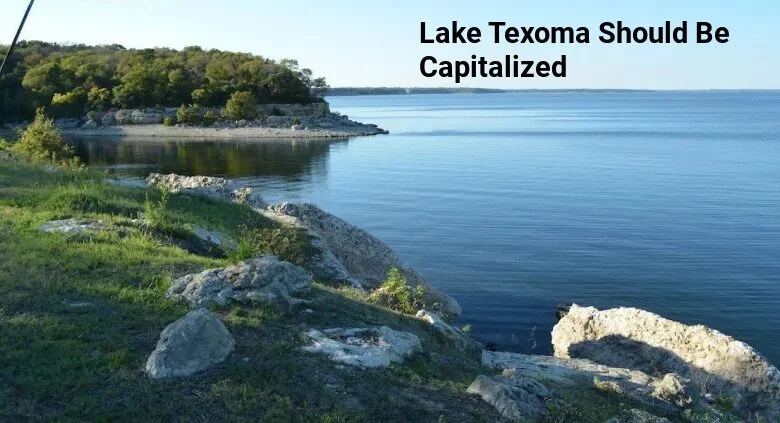
Does “lake texoma should be capitalized” Need to Be Capitalized? A Deep Dive Into Naming Rules You Didn’t Know You Needed
Capitalization rules can lake texoma should be capitalized confusing — especially when place names get thrown into the mix. One particular term that often raises eyebrows is “Lake Texoma.” If you’ve ever asked yourself whether Lake Texoma should be capitalized, you’re not alone. Many writers, students, bloggers, and even locals sometimes debate over how this popular recreational destination should appear in properly written English. So, today we’re dissecting the rules, the reasoning, and the logic behind why capitalization matters more than you might think.
Why “Lake Texoma” Is Capitalized — Understanding Proper Nouns
When we talk about capitalization, the rule that stands out the most is the one involving proper nouns. Proper nouns are the names of specific people, places, landmarks, or things. Since Lake Texoma refers to a specific and identifiable lake on the Oklahoma–Texas border, it falls under the classic category of proper nouns and must always be capitalized. It isn’t just a regular lake; it’s an official name. That alone triggers capitalization automatically under English grammar rules.
It’s also helpful to note that geographical names typically follow this format: Generic Descriptor + Specific Name. In this case, “Lake” is the generic descriptor and “Texoma” is the specific name. When the generic descriptor is attached to the official title, both words are capitalized — which is why Lake Texoma shouldn’t be written as lake Texoma or Lake texoma. The capitalization of both components is necessary to show respect to the official name and avoid ambiguity.
Another key reason capitalization matters is clarity. If you were to write “lake texoma” in lowercase, it could look informal or grammatically incorrect. Readers may wonder whether you’re referring to the specific lake or simply describing a lake in the Texoma region. Capitalization removes that confusion and keeps the meaning precise and professional every time.
Examples of Capitalization Done Right (and Wrong)
Looking at real examples always makes learning easier. The correct form is, and will always be, Lake Texoma — both words starting with capital letters. If you were to write, “My family spent the weekend at Lake Texoma,” you’ve nailed it. The capitalization here emphasizes that the statement refers to a precise location rather than a general idea or nickname. This is the kind of correctness that stands out in formal writing, academic papers, and even professional travel articles.
Incorrect versions appear more often than you might think. When you write lake Texoma, you’re incorrectly treating “lake” as a common noun rather than part of the complete name. Similarly, when you write Lake texoma, you’re ignoring the capital letter in the second word — which still results in a grammatical error. And the worst version — lake texoma — makes the phrase appear sloppy and unedited. Even if the content around it is strong, this single error can undermine credibility.
It’s important to understand that the rule isn’t just about grammar — it’s tied to respect and recognition of the location’s formal identity. Capitalizing names correctly shows attention to detail and makes your writing sound refined and authoritative. It sends a signal to the reader that you understand the rules of English and care about accuracy, which is particularly important in academic, journalistic, and professional contexts.
Why Capitalization Really Matters More Than You Think
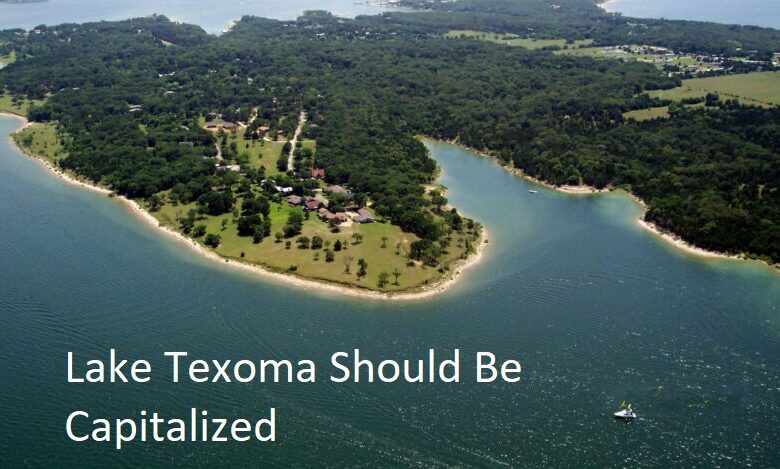
There’s a misconception that lake texoma should be capitalized is nothing more than a stylistic preference. In reality, capitalization is a core component of communication that influences how readers interpret a sentence. If a place name like Lake Texoma isn’t capitalized correctly, it may distract the reader or make your writing appear carelessly done. Even if the rest of the content is perfect, this kind of mistake has the power to stand out — and not in a good way.
Capitalization also plays an important role in SEO (Search Engine Optimization). If you’re writing blog posts, travel guides, or digital content, Google recognizes capitalization patterns when matching search queries. People who search for “Lake Texoma” expect content that uses the exact term, not a lowercase variation. So formatting it correctly helps your content stay aligned with search behavior and improves the likelihood that search engines will interpret your content accurately.
Another thing many people don’t consider is branding. Places can carry value beyond their geography — they hold cultural, emotional, and economic significance. Lake Texoma isn’t merely a body of water; it’s a tourism destination, a weekend retreat, and a recognized landmark. Capitalizing its name helps maintain the identity and recognition it deserves. The way you write something communicates how you value it — whether you intend to or not.
Common Writing Situations Where People Get the Capitalization Wrong
One of the biggest issues occurs when people write casually — especially on social media. Many captions or posts say things like, “Going boating at the lake texoma today!” The intention is clear, but the grammar isn’t. Even in informal settings, correctly capitalizing place names strengthens your credibility. Once you get in the habit of writing proper nouns properly, it becomes automatic.
Another common problem happens when writers switch between generic references and proper names. For example, if you say, “The lake is beautiful this time of year,” the word lake should remain lowercase because it’s no longer part of the formal title. However, when you say, “Lake Texoma is beautiful this time of year,” both words return to uppercase. The shift between common and proper nouns is subtle, and that’s where many writers lose consistency.
Educational writing is another area where mistakes appear frequently. Students often lose easy points in essays because of capitalization errors. And what’s surprising is that professors and teachers tend to consider this mistake avoidable since the rule is straightforward. Treating Lake Texoma like any other formal place name ensures the writing appears polished and professional.
Final Thoughts — Yes, “Lake Texoma” Should Absolutely Be Capitalized
After exploring grammar rules, naming structure, SEO impact, and real-world writing habits, the conclusion is simple: Lake Texoma should always be capitalized. Both words deserve uppercase letters because they form an official proper noun representing a specific landmark that millions of people know and enjoy.
Getting capitalization right isn’t just about following grammar rules — it’s about clarity, credibility, and respect for the subject you’re writing about. Whether you’re preparing an academic report, a travel blog, a social media caption, or a simple email, capitalizing Lake Texoma correctly makes your writing look intentional and knowledgeable.
So the next time you sit down to write anything about this incredible lake, remember: capital letters aren’t optional — they’re a mark of accuracy and professionalism. And now that you understand why the capitalization matters, you’ll never make that mistake again.